
Brookhaven Roleplay Starter Scenarios
A fuller roleplay article with reliable opening premises, sharper conflict triggers, and location choices that help scenes start fast instead of stalling in setup.
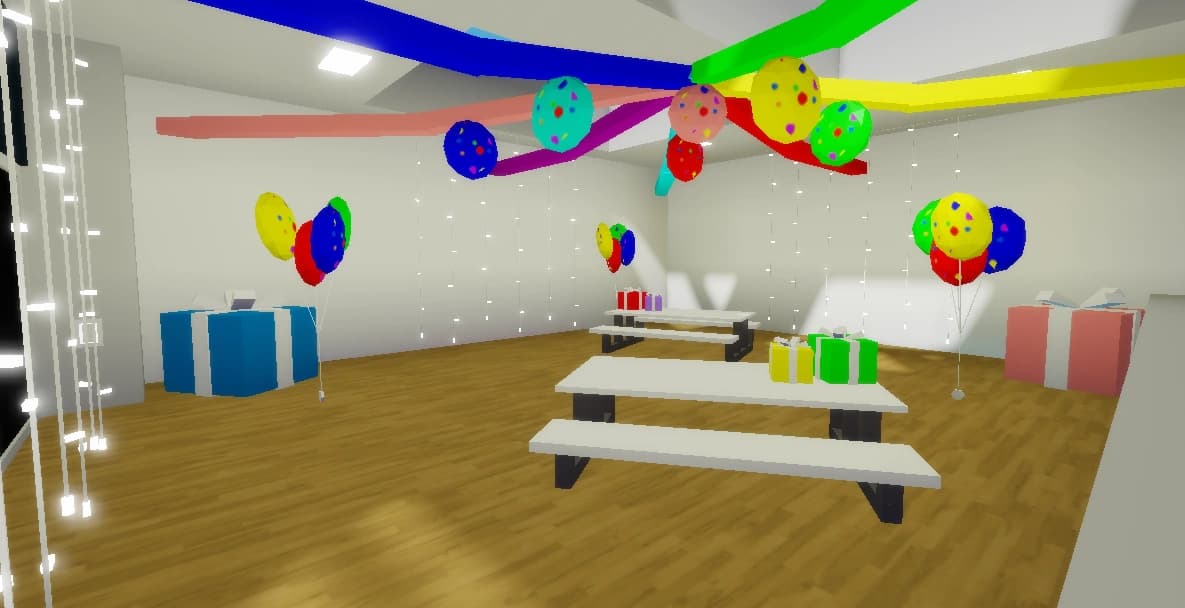
Brookhaven roleplay works best when the premise is small, the pressure arrives early, and the location does part of the storytelling before anyone starts improvising heavily.
Key takeaways
- A short usable premise is more valuable than a long backstory dump.
- Early pressure keeps scenes moving better than perfect lore consistency.
- The right location saves players from having to explain the scene too much.
Why small premises work better than giant lore dumps
The fastest way to kill Brookhaven roleplay is to overload the opening with explanation.
Newer groups often believe they need a fully built world before roleplay can start. In practice, long setup speeches create more passivity than energy. People wait to understand every relationship and every rule before acting, which means the scene begins with exposition instead of motion.
A small premise works better because it gives everyone an immediate job. A family has just moved into town. A rumor is spreading at school. A hospital emergency interrupts a normal day. Those hooks are strong because players can act on them right away while still leaving plenty of room for variation and escalation.
- Simple setups create faster participation.
- Players improvise better once they have one clear relationship or event.
- Too much lore front-loads the scene with waiting.
- A premise should open choices, not lock players into one script.
Openers that move everyone immediately
The best starter scenarios give each player a reason to step into the scene without asking for much preparation.
A family moving into town remains one of the best openers because it instantly generates roles, expectations, and ordinary tension. Someone is optimistic, someone is skeptical, someone wants to explore, and someone wants control. The group does not need to invent a universe before they begin.
School rumor and perfect-family-day openings work for a similar reason. They start from something ordinary and then let a small complication change the tone. That gives the players something to react to immediately, which is usually far more valuable than handing them a dramatic premise that still requires several minutes of explanation.
- New family in town works because roles appear almost immediately.
- School rumor works because the setting is already legible.
- Perfect family day works because the conflict arrives by contrast.
- Good openers start with action potential, not with worldbuilding weight.
Pressure points that keep the scene alive
Once a roleplay starts, it needs pressure faster than it needs polish.
Many Brookhaven scenes die not because the idea was weak, but because nothing forces the players to make a choice. A hospital emergency, a chase, a disappearance, or an authority conflict all work because they change the emotional temperature of the room. Suddenly someone has to react, hide something, help someone, or argue for control.
That pressure does not need to be loud or chaotic. It only needs to create direction. A scene with direction gives everyone permission to contribute. A scene with no pressure often turns into people restating the setup or waiting for one player to carry the whole moment.
- Hospital incidents create urgency and immediate response roles.
- Chase setups work because they force movement and decision-making.
- Disappearance hooks create investigation pressure without needing combat.
- Small conflicts are often enough if they arrive early and clearly.
Choose locations that do half the work for you
The location should reduce the amount of explaining the group has to do.
School is useful when you want family tension, social rumor, or authority-lite conflict. Hospital is stronger when the scene needs urgency, worry, and pressure from rules or responsibility. Bank and roads help when you want speed, pursuit, or crime energy. The lake side works when you want uncertainty, quiet, or something eerie.
This matters because Brookhaven roleplay gets stronger when premise and location agree. A good match between the two gives the players enough structure to improvise naturally. A weak match forces them to keep explaining why the scene matters at all, which is energy better spent on the scene itself.
- School supports rumor, family, and social scenes.
- Hospital supports urgency, authority, and emotional escalation.
- Bank and roads support chase and crime pressure.
- Lake-side locations support mystery and atmosphere-heavy roleplay.
A strong location is not background. It is a scene partner.