
Brookhaven Locations That Matter
A location-first article about which Brookhaven places stay useful across roleplay, secrets, and map reading, and why some locations deserve far more attention than others.
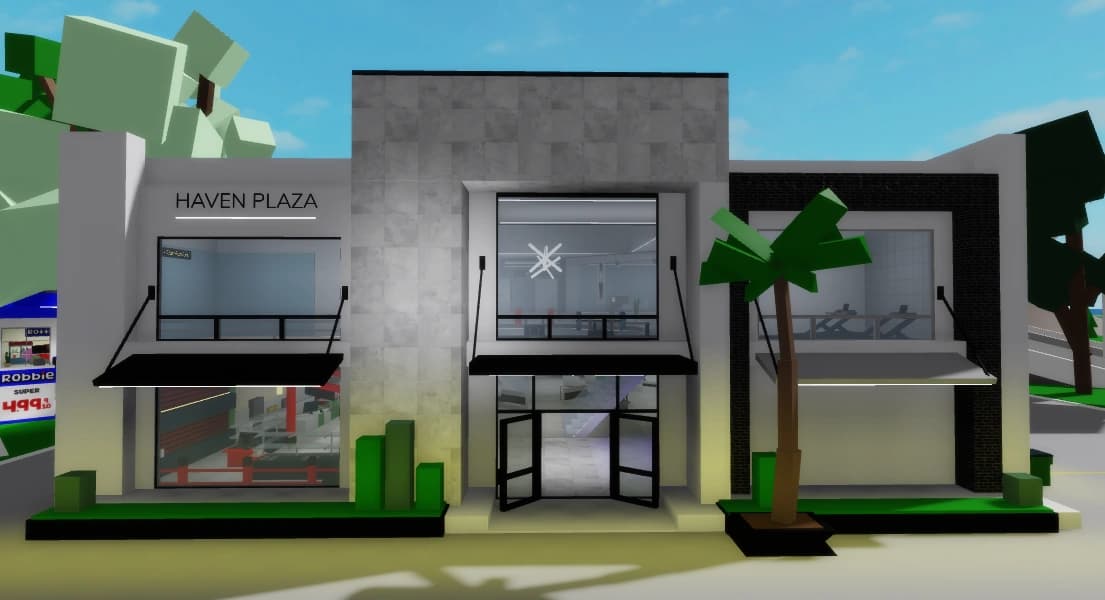
The useful Brookhaven map is not the whole map. It is the smaller set of locations that keep producing scenes, tension, and repeatable reasons to stop.
Key takeaways
- A location page should help players choose where to go, not describe every building evenly.
- Public anchors matter because they combine visibility, scene potential, and easy memory.
- Learning a few high-value places upgrades every other Brookhaven page.
Stop reading the city as a flat list of buildings
Brookhaven becomes easier to play once you stop treating every place as equally important.
Many first-time players read the city visually but not functionally. They notice that many places exist, but they do not yet know what kinds of scenes those places are naturally good at. As a result, every building looks interchangeable, and the map feels larger but less meaningful than it really is.
The better approach is to rank locations by what player job they solve. Some places help with everyday roleplay. Some help with conflict. Some help with mystery. Some only look good in a thumbnail but do not create much momentum in an actual session. Once you make that distinction, the map becomes much easier to navigate.
- High-value places solve more than one player job.
- Strong public anchors are easy to remember and easy to reuse.
- A familiar-looking building is not automatically an important one.
- The most useful locations are the ones that keep creating reasons to stop.
The public anchors that carry the city
A small group of public spaces keeps doing the heaviest work in Brookhaven.
School is one of the most reliable anchors because it supports both ordinary and rumor-heavy play. It works for family tension, teen scenes, gossip handoffs, and any situation where a public but familiar location helps the group start quickly. Hospital does something similar for urgency. It brings authority, consequence, and follow-up pressure into a scene almost immediately.
Bank and police station matter because they generate conflict with very little explanation. Even players who are not trying to run deep crime stories understand why those spaces create pressure. They are simple, legible, and emotionally loaded. That makes them some of the best places for new players to remember early.
- School is a flexible everyday anchor with strong rumor value.
- Hospital adds urgency, follow-up tension, and authority pressure.
- Bank creates fast conflict and supports hidden-space talk.
- Police station sharpens pursuit, detention, and consequences.
The places that make scenes feel easier
The best locations reduce how much explanation the players need.
A strong Brookhaven location does not only look recognizable. It preloads a kind of story logic into the session. A hospital does not need much setup to feel urgent. A school does not need much explanation to support rumor, social friction, or family conflict. A lake-side stop does not need much dialogue to make a scene feel uncertain or eerie.
That is why location knowledge helps both roleplay and secrets. Even if a player is not doing full scene acting, they still benefit from understanding which places naturally hold tension and which ones are mostly background. A usable city is made of these differences, not of visual variety alone.
- Good locations do narrative work before anyone speaks.
- Urgent spaces accelerate conflict-heavy scenes.
- Mood-heavy spaces strengthen mystery and rumor routes.
- Everyday public spaces help groups start without awkward setup time.
A five-stop route that teaches the city fast
If you only want one compact route for reading Brookhaven, use a loop that combines everyday play, pressure, and atmosphere.
A strong teaching route should not be long. It should be balanced. Start at school to understand the city's social center. Move to hospital to read urgency and follow-up tension. Visit police station and bank to see how Brookhaven handles conflict-heavy spaces. Finish at Lake Madison to understand how atmosphere changes the feel of the map.
That route matters because it teaches function, not just geography. By the end of it, you are not merely aware that those places exist. You understand why players keep returning to them, why they show up in clips and rumors so often, and why the rest of the map becomes easier to interpret once those anchors are clear.
- School
- Hospital
- Police station
- Bank
- Lake Madison
A short route is useful when each stop teaches a different kind of play value.