
What Brookhaven Is Good At
A fuller overview of what Brookhaven genuinely does well, which kinds of players tend to enjoy it most, and why the game works better as a session sandbox than as a progression ladder.
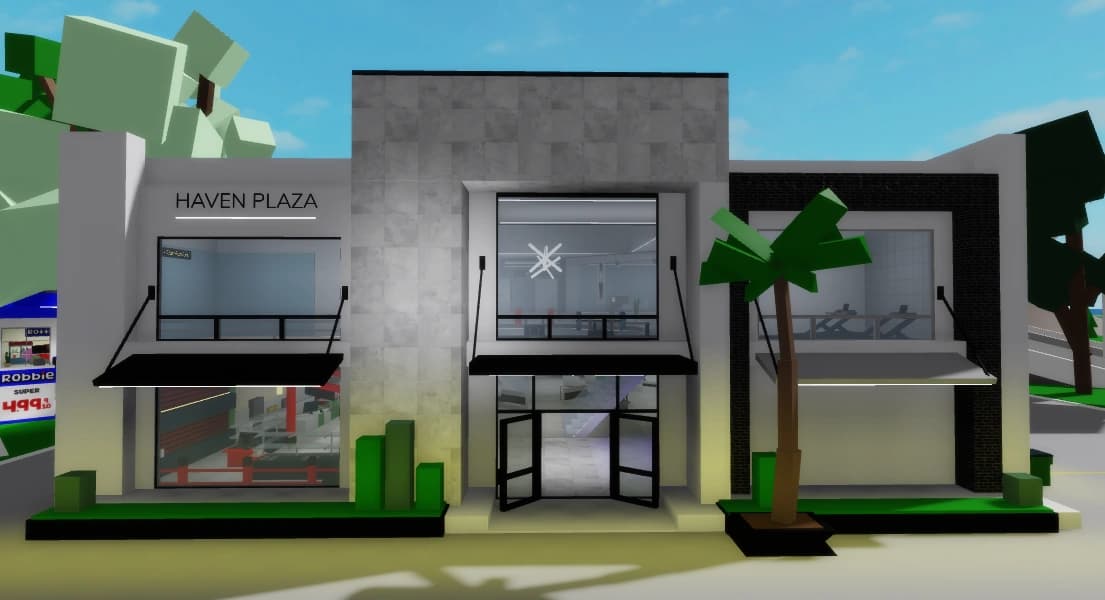
Brookhaven starts making sense when you stop asking what quest the game wants from you and start asking what kind of scene, route, or social situation you want to run tonight.
Key takeaways
- Brookhaven works best when you decide the session goal before you start roaming.
- The city itself is the main system, because places create pace, pressure, and atmosphere.
- The game rewards players who can turn light tools into scenes, routes, and repeatable habits.
Why the game clicks for some players and feels empty to others
The biggest divide in Brookhaven is not spending level or mechanical skill. It is expectation.
Players who open Brookhaven expecting a built-in mission ladder often feel lost fast because the game rarely pushes them with the kind of directed progression many Roblox players are used to. If you keep waiting for the system to reveal the real objective, the city can start to feel decorative instead of playable.
Players who enjoy it most usually make one small decision very early. They decide whether the session is about roleplay, rumor chasing, checking the latest update, testing a location, or just opening one social setup with friends. Once that decision is made, the map stops feeling empty and starts feeling usable.
- A weak session usually starts with aimless movement and no chosen mood.
- A strong session usually starts with one concrete question or one scene hook.
- Brookhaven rewards low-friction improvisation more than long preparation.
- The game is easier to enjoy when you judge it by session quality, not by feature count.
Brookhaven feels shallow mainly when players hand the game a blank agenda and expect it to do the rest.
The city is the real system
Brookhaven does not hide its value in a deep upgrade tree. Its strongest system is how the city keeps generating usable situations.
School, hospital, bank, police station, roads, and the lake side all carry different kinds of pressure. Some places generate everyday scenes. Some generate conflict. Some generate mystery. The more quickly a player learns what each space is good for, the faster the city becomes readable.
That is why map familiarity matters so much here. In some games the world is just scenery for a combat loop. In Brookhaven the world is the loop. A familiar place lets you start a family scene, check a rumor, stage a chase, or test whether a secret clip has any chance of being current.
- School is useful because it naturally supports rumor, family, and teen scenes.
- Hospital is useful because it adds urgency, authority, and follow-up tension.
- Bank and police station generate conflict with very little setup.
- Lake Madison gives the city one of its strongest mystery-heavy atmospheres.
Who gets the most out of Brookhaven
Not every player wants the same thing from a sandbox city, and Brookhaven clearly serves some habits better than others.
Friend groups usually get value fastest because the game lets several people lock into a shared premise with almost no startup cost. One player can host the hook, another can escalate the conflict, and the location itself can carry half the storytelling burden before anyone speaks much.
Solo players can still enjoy Brookhaven, but they usually do better when they treat the game as a route-reading and mood-setting space instead of expecting constant solo progression. Secrets, current update checks, and location scouting all work better than waiting for the map to entertain them on its own.
- Social players who like light improvisation usually adapt fastest.
- Players who enjoy clue loops and hotspot checking have a durable reason to return.
- Hosts and creators benefit when they want fast stage-setting more than deep systems.
- Players who only value combat or long progression may feel underfed here.
The expectations worth dropping early
A lot of first-session disappointment comes from bringing the wrong measuring stick into the game.
The first thing to drop is the idea that Brookhaven is hiding a main campaign that will suddenly reveal itself if you click enough corners. The game is much more honest than that. It gives you a city, some tools, a public social stage, and a community habit of turning familiar places into repeatable scenes.
The second thing to drop is the idea that one chaotic public server tells you what Brookhaven is as a whole. Good sessions depend heavily on the server mood, the people present, and whether you entered with a clear purpose. A noisy or unserious server can hide the real strengths of the game for an entire first hour.
- Do not wait for a built-in main quest.
- Do not judge the game entirely from one weak public server.
- Do not buy early just to force the game to become interesting.
- Do not confuse internet rumor volume with actual in-game depth.
Brookhaven gets better when you ask less from its progression layer and more from its session design.